

Heating oil tanks have long served as a reliable cornerstone of residential and commercial heating, providing consistent and cost-effective warmth. Over the years, innovations in technology have greatly improved their design, safety, and overall performance.
This evolution plays a crucial role in boosting efficiency, promoting environmental sustainability, and enhancing safety for both homeowners and communities. In this article, Noonan Energy, a leading heating oil delivery provider, explores the latest innovations in oil storage tank design.
Trust Noonan Energy for Reliable Service: Count on us for top-quality heating oil delivery and professional oil tank replacements. Call today to get started!
Advancements in Fuel Oil Tank Design
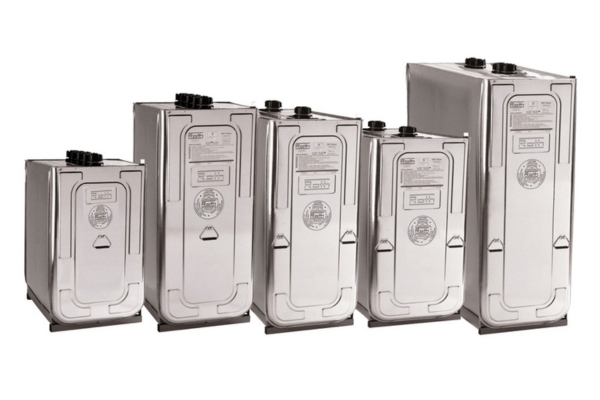
The evolution of heating oil tanks highlights how far the industry has come in improving safety, reliability, and efficiency. Early models were simple in design, commonly built from steel and installed either above or below ground.
These tanks served a vital role in storing heating oil for homes and businesses, supplying fuel to furnaces or boilers to provide consistent warmth throughout the building.
Experience Exceptional Service: Contact Noonan Energy for reliable heating oil delivery and expert oil tank replacement solutions. Call today!
Traditional Heating Oil Tank Designs and Their Limitations
Early heating oil tanks were primarily single-walled steel units designed for simple fuel storage and delivery. While they initially performed their purpose well, several issues became evident over time.
Steel tanks were highly susceptible to rust and corrosion, which could lead to leaks that wasted fuel and harmed the environment. In addition, these leaks were often difficult to detect until substantial damage had already taken place, making early models less reliable and more costly to maintain.
Underground oil tanks introduced additional challenges. Constant exposure to soil pressure and groundwater accelerated corrosion, weakening the tank structure over time. Detecting leaks in these underground systems proved even more difficult, often allowing oil to seep unnoticed and cause significant soil and groundwater contamination before any corrective action could be taken.
Modern Innovations in Heating Oil Tank Design

As the shortcomings of older heating oil tanks became clear, manufacturers began developing advanced designs to enhance safety and reliability. A major breakthrough came with the introduction of double-walled tanks.
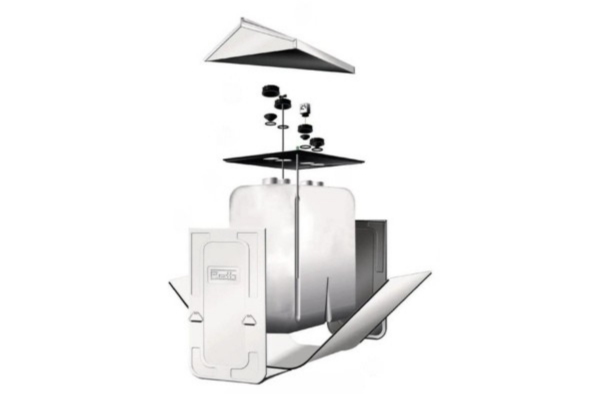
This design features an inner chamber that holds the heating oil and an outer layer that acts as a safeguard, capturing any potential leaks from the inner tank. The result is a safer, more durable system that significantly reduces the risk of environmental contamination and fuel loss.
Alongside structural upgrades, manufacturers began incorporating alternative materials in heating oil tank construction to extend durability and enhance safety. For example, fiberglass emerged as a favored option because of its strong resistance to corrosion over time.
Boost Your Home Comfort: Contact Noonan Energy for dependable heating oil services and upgraded tank installation solutions. Call today!
Examples of Today’s Advanced Oil Storage Tank Designs
Modern heating oil tanks integrate these advancements to deliver stronger, safer, and longer-lasting performance. One notable model is the Roth Double-Walled Oil Storage Tank, which features a robust steel inner tank for dependable strength paired with a corrosion-resistant outer enclosure for added protection.
This outer layer also features an oil monitoring system that alerts homeowners to potential issues promptly, significantly reducing environmental risk. Another strong example is the Granby 2-in-1 Fiberglass Oil Tank, which blends the durability of fiberglass with a contemporary double-wall construction.
The continuing evolution of heating oil tank design demonstrates the industry’s commitment to resolving the weaknesses of older models, especially in the areas of safety and environmental protection. With continued technological progress, even more refined, efficient, and secure solutions are likely to emerge in the years ahead.
Technological Advancements Shaping Modern Fuel Oil Tank Design
Continue reading to discover how new technologies have transformed today’s oil tanks.
Advancements in Tank Materials and Production Methods
Innovative materials and refined production techniques have reshaped the heating oil tank industry. Advances in materials science have introduced corrosion-resistant options, such as fiberglass and polyethylene, which greatly improve long-term durability. Enhanced welding methods and modernized manufacturing practices also create stronger, more dependable tanks with improved protection against leaks.
Enhance Your Home Heating: Reach out to Noonan Energy for dependable heating oil delivery and expert oil tank upgrade services. Call today!
Integrating AI and IoT for Smarter Oil Tank Management
Artificial intelligence (AI) and Internet of Things (IoT) technologies now play a key role in modern heating oil tank systems. These tools make it possible to track tank conditions and fuel levels remotely, allowing for predictive care and early identification of developing problems before they escalate.
Eco-Focused Designs That Minimize Environmental Impact
The growing emphasis on sustainability has promoted the development of environmentally conscious tank designs. These options use recyclable materials and modern construction methods, offering tanks built to minimize problems and provide safer, more dependable solutions for households relying on oil heat.
Innovations in Heating Oil Tank Safety

- Safety Issues Linked to Older Oil Tanks: Traditional heating oil tanks, especially steel models, have long presented safety concerns. These include the possibility of leaks that may result in environmental harm, fire risks, and potential health hazards for anyone nearby.
- Introduction of Modern Safety Features and Standards: To address these issues, updated safety elements have been added to contemporary tank designs. These improvements include double-wall construction and built-in leak detection systems. Industry standards now require compliance with specific construction and installation guidelines to ensure safer operation.
- How Sensor Technology Enhances Protection: Advanced sensors play a central role in elevating heating oil tank safety. They can track fuel levels, identify leaks, and send alerts when service is needed. This improves overall safety while supporting better performance and extending the tank’s lifespan.
- Examples of Leading Safety Innovations: Many manufacturers have introduced notable safety advancements. Roth’s modern tanks use a double-wall design and integrated leak monitoring, while Granby’s EcoGard model features durable construction supported by a specialized coating that resists corrosion.
Rely on Proven Excellence: Count on Noonan Energy for reliable heating oil delivery and expert oil tank replacement services. Call today!
The Impact of Design and Safety Innovations
- Cost Savings and Efficiency: Advances in heating oil tank design and safety offer significant cost savings and enhanced efficiency. Tanks built with stronger, longer-lasting materials reduce the need for frequent replacement. In addition, AI and IoT-supported remote monitoring help avoid expensive leaks or system failures by identifying issues early.
- Environmental Implications: Minimizing the likelihood of leaks and spills provides one of the most critical environmental advantages of these improvements. These innovations help safeguard soil and groundwater from contamination while protecting the surrounding natural environment.
- Health Implications: Enhanced safety features and modern leak detection systems help shield individuals and communities from exposure to oil leaks and the potential fire risks they can create, supporting healthier and safer living conditions.
Challenges and Future Directions

Despite significant progress, several challenges remain in adopting newer heating oil tank designs and safety upgrades. These hurdles include the higher costs associated with advanced technologies and the ongoing need for broader compliance with updated industry standards.
Looking ahead, continued innovation is expected, including deeper integration of advanced AI and IoT tools, the creation of stronger and more resilient materials, and greater use of environmentally conscious tank designs.
The outlook for heating oil tank design and safety is encouraging, as technological progress continues to elevate efficiency, protection, and environmental responsibility. Continued research and development will likely introduce even more advanced and practical solutions in the years ahead.
Count on Proven Skill: Choose Noonan Energy for reliable heating oil delivery and high-quality oil tank installation services. Call today!
Oil Storage Tank Design FAQs

What Indications Suggest That My Oil Tank Should Be Replaced?
Warning signs that your heating oil tank may require replacement include noticeable rust, corrosion, or dents on its exterior, and oil smells or damp areas nearby that could signal a leak. A sudden or unexplained decline in fuel levels may also point to a leak or structural weakness. Tanks over 20 years old are more vulnerable to these issues and should be considered for replacement with safer, more advanced, and more efficient modern options.
How Often Should Home Heating Storage Tanks Be Checked?
Heating oil tanks should be professionally checked at least once a year to identify potential concerns such as leaks, structural weakening, or corrosion. These evaluations help ensure the tank continues to operate safely and efficiently while meeting local safety requirements. Consistent care also supports a longer tank lifespan and helps prevent expensive issues or environmental harm.
Can Fuel Oil Tanks Be Recycled or Removed in an Environmentally Safe Way?
Yes, heating oil tanks, especially newer models made from recyclable materials such as fiberglass or polyethylene, can often be recycled. Safe removal requires fully draining leftover fuel, cleaning the interior, and following all applicable local environmental rules for handling hazardous materials. Many manufacturers and service companies provide support with recycling or proper disposal to ensure compliance and minimize ecological impact.
Count on Noonan Energy for Comfort You Can Depend On: We provide trustworthy heating oil services and skilled tank replacement solutions. Call today!
How Does Placement Affect the Type of Fuel Tank You Should Choose?
Location plays an important role when selecting an oil tank. Aboveground tanks provide easier access for routine care and general upkeep, making them a common option for residential properties. Underground tanks must be built with strong, corrosion-resistant materials to handle soil pressure and moisture, yet they conserve outdoor space and are less noticeable. The best choice should reflect practical needs, aesthetic goals, and environmental factors, ideally with guidance from a qualified professional.
Do Modern Heating Oil Tank Upgrades Qualify for Tax Incentives or Rebates?
Many areas provide tax incentives, rebates, or financial assistance programs for upgrading to newer, eco-conscious heating oil tanks. These initiatives support the adoption of safer, more sustainable options, such as double-walled or fiberglass models, which reduce environmental risks. To take full advantage of available savings, homeowners and businesses should review local programs or ask professionals who understand energy-efficiency offerings and compliance guidelines.
Conclusion
The ongoing evolution of heating oil tank design and safety highlights a steady commitment to progress within this essential industry. The incorporation of improved materials, cutting-edge technologies, and environmentally conscious designs has already made a meaningful difference, and there is substantial room for continued growth. Ongoing innovation will remain crucial for supporting safe, sustainable, and efficient use of heating oil in the future.
Choose Outstanding Service: Partner with Noonan Energy for dependable heating oil solutions and smooth, professional oil tank replacements!
Trust Noonan Energy for Expert Home Comfort Services
Noonan Energy is committed to providing premium heating oil services to homes and businesses across Massachusetts and Connecticut. We focus on fast, efficient delivery to keep your home or business warm and comfortable. Our dedication to quality is reflected in our competitive pricing and clear communication, ensuring your satisfaction remains a top priority.
Choosing Noonan Energy means partnering with a team known for dependable service and a strong commitment to customer care. Whether it’s the peak of winter or a cool evening in early spring, we’re ready to support your heating needs and keep your space welcoming year-round.
Along with reliable heating oil delivery, Noonan Energy offers a comprehensive range of HVAC services designed to maintain system efficiency and comfort. From regular tune-ups to emergency heating repairs and new equipment installations, our certified HVAC technicians deliver expert solutions tailored to your home’s needs.
Count on Noonan Energy to fuel your home and maintain your HVAC systems for dependable performance. Contact us today to begin your service and experience the Noonan Energy difference!
Click here to contact us today or give us a call at (800) 343-8829 if you have any questions. Click the link to view our service area.

Related Articles: