
Winter puts added demand on your furnace, making problems like weak airflow, short cycling, ignition failure, unusual noises, and inadequate heating more likely to surface. Some issues may have simple causes homeowners can safely check, while others require professional diagnosis and repair.
This article explains the most common furnace problems that occur in winter, practical troubleshooting steps homeowners can try, and when to call a professional for expert furnace troubleshooting.
Why Furnaces Face More Problems During Cold Weather
Colder temperatures place greater demands on a furnace, requiring components to operate longer and making wear or performance problems more noticeable. Existing concerns, including dirty filters, restricted airflow, or aging components, may also become more apparent as heating demand increases.
When a furnace runs for extended periods, small issues can gradually become more serious. Recognizing common cold-weather challenges and knowing basic troubleshooting measures can help homeowners preserve comfort and lower the chance of unexpected heating failures.
Common Cold-Weather Furnace Issues and Troubleshooting Steps

Furnaces may develop various problems during colder weather, but homeowners can often identify potential causes through a few basic checks before contacting a heating professional.
1. Furnace Isn’t Producing Heat
A furnace that does not produce heat may have a thermostat, power supply, or ignition problem.
Check that the thermostat is set to heat and replace the batteries if needed. Confirm that the furnace switch and circuit breaker are on. If the furnace still does not start, a faulty pilot light or ignitor may require professional attention.
2. Faulty Thermostat
A faulty thermostat can cause irregular furnace cycling or prevent the home from reaching the desired temperature. Common causes include wiring problems, aging components, or poor placement near sunlight, drafts, or heat sources.
Replace the batteries and reset the thermostat first. For smart or programmable models, check the settings, Wi-Fi connection, and software updates. If problems continue, professional recalibration or replacement may be necessary to restore proper furnace operation.
3. Weak or Uneven Heat
Weak or uneven heating may result from clogged air filters, blocked vents, or leaking ductwork. Dirty filters restrict airflow, while obstructed vents prevent warm air from circulating properly. Replace dirty filters regularly and keep vents open and clear of furniture or drapes.
Leaky ducts can also allow heated air to escape before it reaches certain rooms, causing cold spots and wasting energy. Professional duct sealing or repair can reduce heat loss, improve airflow, and restore more consistent temperatures throughout the home.
4. Heating System Cycles On and Off Frequently
Frequent furnace cycling, or short cycling, may result from a clogged filter, incorrect thermostat settings, poor thermostat placement, or an oversized system. A dirty filter can restrict airflow, cause overheating, and trigger the furnace to stop running prematurely.
Replace a clogged filter and confirm the thermostat is set correctly and positioned away from drafts or heat sources. If short cycling continues, improper furnace sizing or an internal component problem may require professional diagnosis.
5. Unusual Furnace Noises During Operation
Unusual furnace noises can indicate mechanical or ignition problems. Rattling may come from loose panels or components, banging can signal burner or ignition issues, and squealing may point to a blower motor or belt problem.
Check for loose panels and replace a clogged filter if needed. Newer furnaces may also produce normal humming or clicking from ECM blower motors and electronic components. If the noise persists or gets louder, have a technician determine whether it indicates a problem that needs repair.
6. Furnace Emits Odd Smells
Unusual furnace odors can have several causes. A brief burning smell at startup is often dust burning off after inactivity and should fade quickly. Persistent odors, however, may indicate clogged burners, overheating electrical components, or problems with UV or ionization systems.
Metallic, electrical, chemical, or gas-like odors require immediate attention. If you smell gas, avoid operating the furnace, electrical switches, or potential ignition sources, leave the area, and contact the appropriate gas utility or emergency service from a safe location. A qualified HVAC professional should also evaluate persistent electrical or burning odors.
7. Furnace Blower Does Not Shut Off
A blower that operates continuously can increase energy use and reduce overall system efficiency. A common cause is the thermostat fan setting being set to “on” rather than “auto.” Changing the fan setting back to “auto” may resolve the problem.
If the blower still does not shut off, a malfunctioning limit switch or an electrical control issue may be responsible. These problems require professional diagnosis and repair to restore proper furnace operation.
8. Furnace Ignition or Pilot Light Problems
Ignition system or pilot light problems can prevent a furnace from starting or producing consistent heat. Common causes may include electrical faults, drafts, or debris near the burner assembly. Begin by checking the circuit breaker and resetting it when necessary. Look for nearby airflow that could interfere with the pilot flame.
When appropriate, follow the furnace manufacturer’s instructions carefully when attempting to relight the pilot. If the pilot repeatedly goes out or the ignitor keeps malfunctioning, the cause may be a faulty sensor, a loose electrical connection, or a fuel supply issue. A qualified HVAC technician should evaluate and repair these problems to restore safe, dependable furnace operation.
Signs You Need Professional Furnace Service in MA and CT
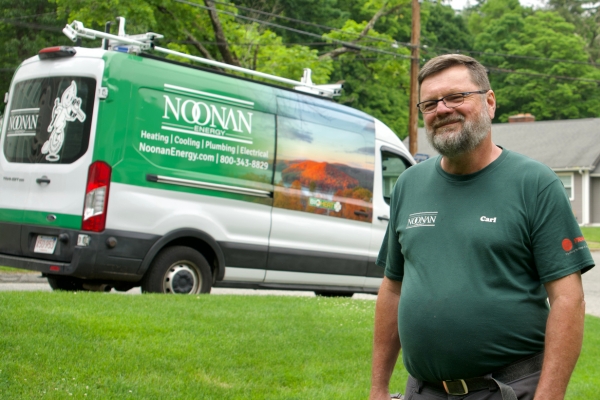
Basic troubleshooting can resolve minor furnace problems, but professional service is necessary when the issue persists, involves internal components, or presents a safety concern. Contact an HVAC contractor when:
- Basic checks do not restore normal heating.
- The furnace repeatedly shuts down or fails to start.
- You notice signs of a combustion, ignition, fuel supply, or furnace electrical component problem.
- A problem returns soon after troubleshooting.
Modern furnaces contain sensitive controls, sensors, ignition components, and electrical systems that require specialized testing. A qualified technician can diagnose faults, test components, and complete repairs safely.
Regular furnace maintenance can also help catch developing problems before they cause a breakdown, support efficient operation, and satisfy maintenance requirements included in some manufacturer warranties.
FAQs: Furnace Troubleshooting

How Long Should a Furnace Run During a Typical Heating Cycle?
A furnace commonly runs for about 10 to 20 minutes per cycle, although cycle length varies with outdoor temperature, thermostat settings, home insulation, furnace capacity, and other factors. Longer cycles during very cold weather aren’t necessarily a problem if the home maintains the desired temperature.
Why Is My Furnace Heating the House but My Energy Bills Are Increasing?
Higher heating bills can result from colder weather, declining furnace efficiency, inadequate insulation, air leakage, or aging components. Comparing energy use with similar periods from previous years can help identify unusual increases. A professional efficiency assessment may be appropriate if consumption rises without a clear reason.
Can Snow or Ice Around a Furnace Vent Cause Heating Problems?
Yes. High-efficiency furnaces often use exterior intake and exhaust pipes that can become obstructed by snow, ice, or debris. Blocked venting can interfere with combustion and may cause the furnace to shut down as a safety precaution. Keep exterior openings clear, and do not insert tools or objects into the vent pipes.
Why Does My Furnace Produce Dry Air During Winter?
Heating itself does not necessarily remove moisture, but winter air typically contains less moisture, and bringing that cold air indoors and heating it lowers relative humidity. Excessively dry indoor conditions can contribute to dry skin, static electricity, and discomfort. A properly controlled whole-home humidifier may help maintain appropriate humidity levels.
Does a Furnace Need More Maintenance as It Gets Older?
Older furnaces may benefit from closer professional attention as components wear and efficiency declines. Regular professional maintenance can identify deteriorating electrical connections, motors, burners, heat exchangers, and other components before they contribute to a breakdown. A technician can also help determine when continued repairs are becoming less practical than replacement.
Conclusion
Winter places greater demand on furnaces, making heating problems more likely to develop or become noticeable. Regular filter replacement, basic system checks, and safe troubleshooting can address minor concerns and help prevent larger issues. When a problem continues, professional HVAC service provides proper diagnosis and dependable repairs.
Keep furnace problems from affecting your comfort when temperatures drop. Contact Noonan Energy today for professional furnace troubleshooting, dependable repairs, and regular maintenance services designed to keep your heating system operating reliably throughout the winter.
Contact Noonan Energy for Professional HVAC Services in Massachusetts and Connecticut
Noonan Energy provides comprehensive heating and cooling services throughout Massachusetts and Connecticut to help homeowners maintain reliable year-round comfort. Our experienced technicians provide regular tune-ups, system repairs, installations, and replacements, with solutions focused on dependable performance and energy efficiency.
Whether your HVAC system needs professional service or you are considering new equipment, Noonan Energy can recommend options suited to your home, comfort needs, and budget. Contact Noonan Energy today to schedule an appointment and learn more about our heating and cooling services.
Click here to contact us today or give us a call at (800) 343-8829 if you have any questions. Click the link to view our service area.
Related Articles: